
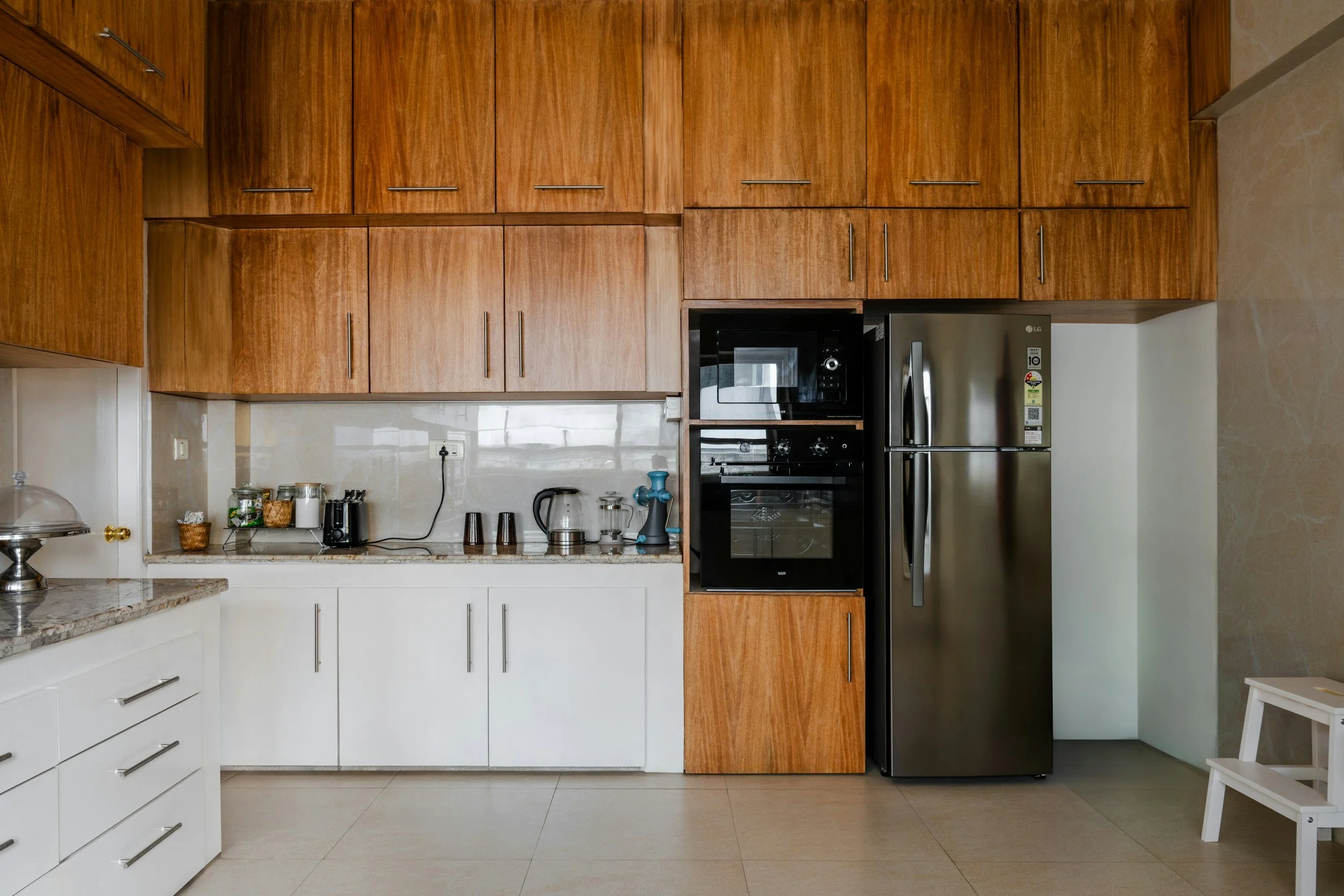
Refrigerators
Let a new refrigerator cool for at least 3 hours before adding food to avoid overloading the compressor.
Keep the main compartment at 36–38°F and the freezer at 0–5°F
Vacuum the condenser coils with a soft brush attachment twice a year to keep the unit running efficiently. During Daylight Savings Time is a great time to remember to do this!
Test your door seals with a piece of paper. If it slides out easily, the gasket may need cleaning.
POWER OUTAGES
Do not open the doors- a closed refrigerator holds the cold for about 4 hours. A closed FULL freezer can hold food at a safe temperature for up to 48 hours. A HALF FULL freezer for about 24 hours!
Dry Ice! Using 30 pounds of Dry Ice can keep a full freezer cold for up to 4 days! But it is important to handle dry ice carefully by wearing gloves.
Prepare for power outages by lowering the temperatures in your refrigerator and freezer to their lowest setting to help build up a thermal reserve.
Fill empty freezer space with bottled water, gel packs, or even frozen food. A full freezer stays cold longer.
Discard meats and dairy if the temperature goes above 40°F for longer than 2 hours. Frozen food that still has ice or is below 40°F can be safely refrozen.
ABOVE ALL ELSE, SAFETY FIRST! WHEN IN DOUBT, THROW IT OUT!!
If your appliances will be in an unheated environment over winter, such as an RV, or garage, there are some important tips for maintenance you should know.
For Dishwashers:
Clear the valves of any remaining water by using compressed air at 40 PSI to blow out of the inlet and solenoid valve.
To prevent mold, leave the door slightly ajar to keep the interior dry.
For Refrigerators:
Do not unplug an unused refrigerator, instead, shut off the water supply to the refrigerator and ice maker.
Dispense all water and disconnect/drain the water reservoir or water line valves.
Place a box of baking soda inside to absorb any moisture to prevent odors and mold.
For Washing Machines:
Close the hot and cold water supply valves.
Disconnect the inlet hoses from the wall faucets and let them drain completely into a bucket. Lay the main drain hose flat on the floor into a shallow pan, or gently tilt the front of the washer 4-6 inches *only for standard front or top load freestanding units, to clear water from the internal pump.
By completing these steps for your refrigerator, dishwasher, and washing machine, you can leave your property with peace of mind knowing your major appliances are fully protected from freezing temperatures, cracked lines, and mold growth, leaving them perfectly preserved and ready for a smooth restart in the spring.